Is Probate the Same All Across Florida?
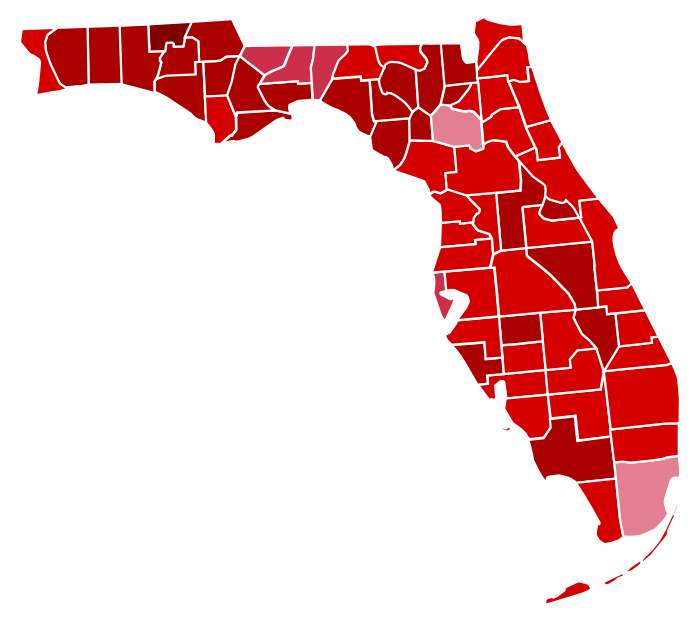

Is Probate the Same All Over Florida?
At first glance, probate in Florida appears uniform. The same statutes apply whether a case is filed in Pensacola, Broward, Brevard County, or a rural county like Polk County. The same rules govern how wills are admitted, how creditors are paid, and how beneficiaries receive assets. But anyone who has actually handled a probate case across multiple counties quickly learns a more nuanced truth: probate law is consistent statewide, while probate practice is not. Understanding this distinction is critical. The law itself is largely the same everywhere in Florida, but the way courts administer that law can vary significantly from county to county. These differences can affect timelines, filing requirements, costs, and even the overall experience of the probate process.
This article explores how probate works across Florida, why it is both uniform and different at the same time, and what families and practitioners should expect when navigating probate in different counties.
The Foundation: Florida Probate Is Governed by Statewide Law
Florida probate is built on a unified legal framework. The primary sources of law are the Florida Probate Code, found in Chapters 731 through 735 of the Florida Statutes, and the Florida Probate Rules, which govern procedure in probate courts statewide.
These laws apply equally in all 67 counties. Whether a probate case is filed in Palm Beach County or Hillsborough County, the same statutes control key issues such as: the validity of wills, the appointment and duties of the personal representative, the order of payment of creditors, the rights of beneficiaries and heirs, and he procedures for closing an estate.
The Florida Probate Rules likewise apply uniformly and are designed to standardize procedures across all courts handling probate matters.
This means that, at a legal level, probate is fundamentally the same throughout Florida. The eligibility for formal administration versus summary administration, the $75,000 threshold for summary administration, and the general framework of estate administration do not change based on location.
Venue: Why Probate Is Handled at the County Level
Even though the law is statewide, probate cases are administered locally. Florida law requires that probate be filed in the county where the decedent was domiciled at the time of death.
This is an important structural feature of Florida probate. Each county has its own circuit court, clerk of court, and probate division. As a result, every probate case is tied to a specific county court system.
This local administration is what creates variation. While the statutes remain constant, each county court has the authority to manage its internal operations, workflows, and procedural expectations.
The Role of Circuit Courts in Probate Administration
Florida’s probate system is administered through circuit courts. Each of the state’s judicial circuits covers one or more counties, and within each circuit, probate matters are handled by designated probate judges or divisions.
Because these courts operate independently in many respects, each circuit develops its own administrative practices. These practices are often shaped by factors such as:
Caseload volume
Judicial preferences
Clerk procedures
Available resources and staffing
Local legal culture
For example, a high-volume county like Miami-Dade may develop more structured procedures to manage its caseload, while a smaller county may operate more informally.
Administrative Orders: Where the Differences Begin
One of the most important reasons probate differs from county to county is the use of administrative orders.
Administrative orders are directives issued by the chief judge of a judicial circuit to manage how the court operates. They are authorized under the Florida Rules of Judicial Administration and must not conflict with statewide law.
These orders can address a wide range of practical issues, including:
Filing procedures
Scheduling hearings
Required forms
Case management protocols
Electronic filing requirements
Because administrative orders are created at the circuit level, they can vary significantly between counties.
In practice, this means that two probate cases governed by identical statutes may be handled very differently depending on where they are filed.
Local Rules vs. Administrative Orders
In addition to administrative orders, some circuits also have local rules. These are rules of practice that apply only within a specific circuit or county and are designed to supplement statewide rules without conflicting with them.
The distinction matters because local rules and administrative orders often control the day-to-day realities of probate practice. They determine how attorneys file documents, how hearings are scheduled, and what the court expects before granting relief.
Together, these local directives create meaningful procedural differences between counties.
Checklists and Filing Requirements: A Practical Example
One of the most noticeable differences between Florida counties is the use of probate checklists.
Some counties provide detailed checklists for filings such as petitions for administration, summary administration, or homestead determinations. These checklists outline exactly what documents must be filed and in what format.
Other counties do not provide formal checklists, leaving attorneys to rely on statutes, rules, and experience.
This distinction can significantly affect how smoothly a case proceeds. In checklist-driven counties, filings tend to be more standardized, and clerks may reject submissions that do not strictly comply. In counties without checklists, there may be more flexibility but also more uncertainty.
Notarization and Execution Requirements
Another area where probate can differ across counties is document execution requirements.
While Florida statutes and rules establish baseline requirements for documents, individual counties may impose additional expectations through administrative orders or clerk practices. For example:
Some counties require certain pleadings or verifications to be notarized, even when not explicitly mandated by statute
Other counties may accept unsworn declarations or electronic signatures in more situations
Some clerks strictly enforce formatting requirements, while others are more lenient
These differences may seem minor, but they can lead to delays if filings are rejected or require correction.
Variations in Timelines and Case Duration
Although the legal process is the same, the time it takes to complete probate can vary significantly by county.
Factors influencing these differences include court backlog, staffing levels, and judicial availability. For example, some counties may resolve probate cases in under a year, while others may take significantly longer.
In larger counties with heavier caseloads, delays are more common. Hearings may be scheduled further out, and court review times may be longer. In smaller counties, cases may move more quickly due to lighter dockets.
Differences in Judicial Preferences
Even within the same county, probate practice can vary depending on the assigned judge.
Judges often have individual preferences regarding:
The level of detail required in pleadings
Whether hearings are necessary for certain matters
How strictly procedural rules are enforced
The format of proposed orders
While these preferences must remain consistent with the law, they can still influence how a case progresses.
This is why attorneys familiar with a particular county or judge often have an advantage. They understand the unwritten expectations that are not found in statutes or rules.
Electronic Filing and Technology Differences
Florida uses a statewide e-filing portal, but counties may differ in how they implement and manage electronic filing.
Administrative orders may govern:
Whether hearings are conducted via Zoom or in person
How proposed orders are submitted
Whether certain documents must be uploaded in specific formats
How quickly filings are reviewed and processed
Some counties have embraced technology more fully, while others rely more heavily on traditional processes.
Formal vs. Summary Administration: Consistent Law, Different Practice
The two main types of probate in Florida—formal administration and summary administration—are defined by statute and apply uniformly statewide.
However, the way these proceedings are handled can differ by county.
In formal administration, some counties may require more frequent reporting or additional documentation before approving actions by the personal representative.
In summary administration, some courts may require detailed affidavits or supporting documents, while others may process petitions more quickly with fewer procedural hurdles.
Again, the legal framework is consistent, but the application varies.
Clerk of Court Practices
The clerk of court plays a central role in probate administration, and clerk practices can vary from county to county.
Differences may include:
How strictly filings are reviewed before being accepted
Whether clerks provide guidance or reject non-compliant filings outright
How quickly documents are processed and docketed
The availability of online resources and forms
Because clerks are often the first point of contact in a probate case, these differences can shape the entire experience.
Why These Differences Matter
For families and beneficiaries, the differences between counties can have real consequences.
A probate case in one county may move quickly with clear guidance and streamlined procedures. The same case in another county may involve additional requirements, longer delays, and more back-and-forth with the court.
For attorneys, these differences require careful attention. Filing the same documents in the same way across all counties can lead to problems. Successful probate practice often involves tailoring filings to the expectations of the specific county.
The Big Picture: Uniform Law, Local Practice
So, is probate the same all over Florida?
The most accurate answer is this: the law is the same, but the process is not.
Florida has a unified probate system governed by statewide statutes and rules. This creates consistency in legal rights, obligations, and procedures at a high level.
At the same time, probate is administered locally through circuit courts, each of which operates under its own administrative orders, local rules, and internal practices. These local variations create meaningful differences in how probate cases are handled from one county to another.
Final Thoughts
Understanding probate in Florida requires recognizing both sides of the system. The statutes and rules provide a consistent legal framework, ensuring fairness and predictability across the state. But the day-to-day reality of probate is shaped by local court practices, administrative orders, and individual judicial preferences.
Some counties use detailed checklists, while others do not. Some require notarized documents in situations where others are more flexible. Some courts move cases quickly, while others take longer due to volume or procedure.
For anyone navigating probate—whether as a personal representative, beneficiary, or attorney—the key is to appreciate that where you file matters. Knowing the statewide law is essential, but understanding the local court is what makes the process smoother, faster, and more predictable.
Book a Free Consultation with Attorney Tiffany Oliver
Check out more Florida Estate Planning and Probate Articles