Ted Turner’s Estate Plan: The Billionaire Legacy Lesson Most Families Never Think About
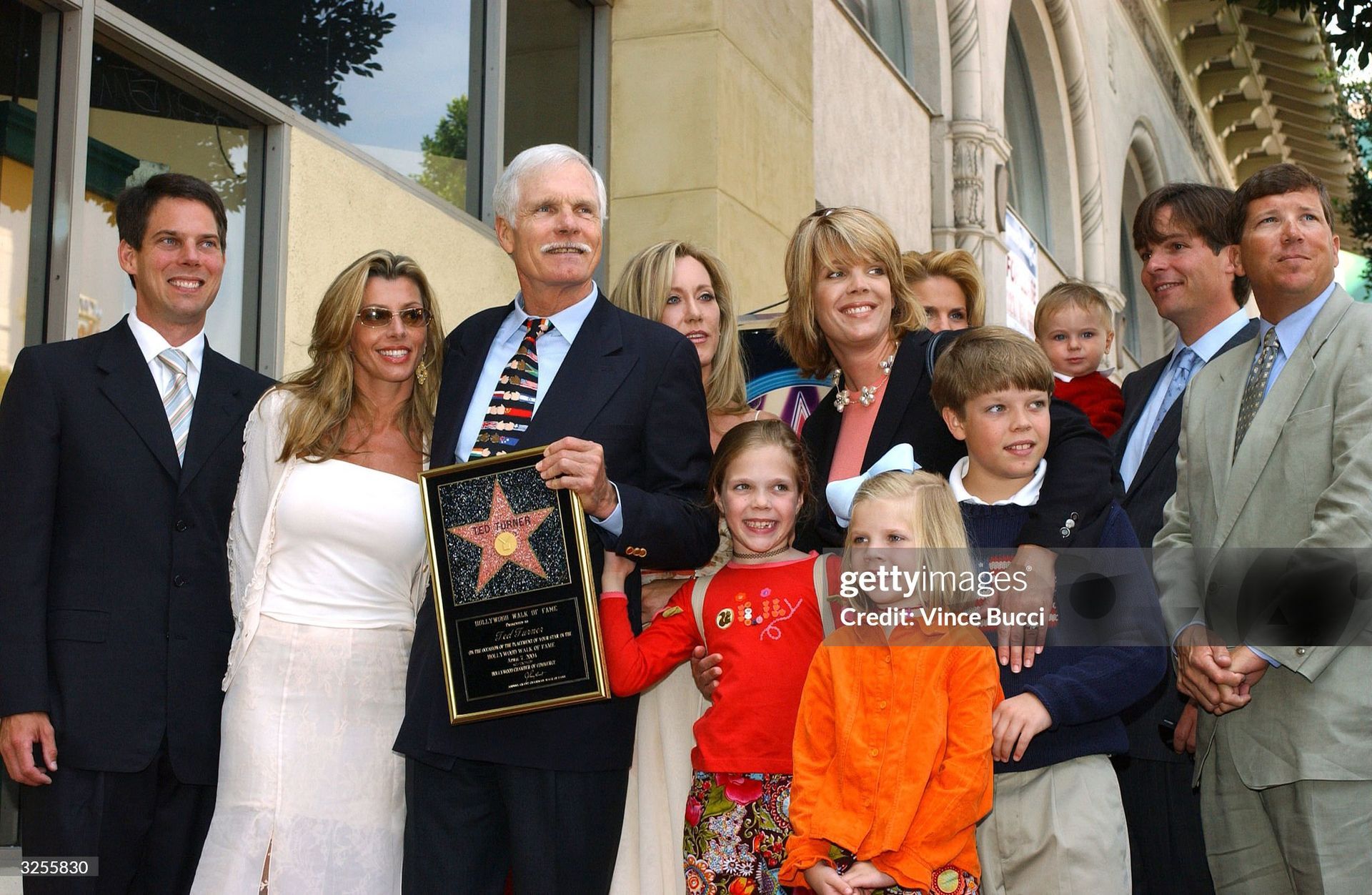
Ted Turner’s Estate Plan: The Billionaire Legacy Lesson Most Families Never Think About
The Man Who Changed Modern Media
When most people hear the name Ted Turner, they immediately think about the creation of CNN, billion-dollar business ventures, and one of the most recognizable entrepreneurs in American history. Ted Turner built a reputation as a bold and unconventional businessman willing to take risks that others considered impossible. His launch of the first 24-hour cable news network permanently changed the media industry and transformed how the world consumes information.
At the time CNN launched in 1980, many industry experts believed the concept would fail. Traditional news broadcasts only aired during certain portions of the day, and critics questioned whether viewers would watch live news coverage around the clock. Turner ignored the skepticism and pushed forward anyway. The decision became one of the most influential moments in modern broadcasting history.
Over the course of his life, Turner built extraordinary wealth through media ownership, investments, and business expansion. He also became one of the largest private landowners in the United States and gained widespread recognition for environmental conservation and philanthropy. Reports over the years have indicated that Turner donated more than one billion dollars to charitable causes during his lifetime. But while the public focused on his business empire, another important issue quietly existed behind the scenes: estate planning.
Why Estate Planning Matters Even for Billionaires
Many people assume estate planning only involves creating a simple will or deciding who receives property after death. In reality, estate planning becomes significantly more complex as wealth increases. Someone with billions of dollars in assets may own companies, ranches, investments, intellectual property rights, charitable foundations, and multiple real estate holdings spread across different states or countries. For high-net-worth individuals like Ted Turner, estate planning is not simply about distributing money. It becomes a long-term strategy designed to preserve wealth, reduce taxes, protect family interests, support charitable goals, and avoid future disputes.
Yet despite the complexity of billionaire estates, the core purpose of estate planning remains the same for everyone. Estate planning is about control. It allows a person to decide what happens to everything they built after they are gone. Without a plan, many of those decisions are left to state law, probate courts, or disagreements between surviving family members. That principle applies equally to billionaires and ordinary families alike.
Estate Planning Is About More Than Money
One of the biggest misconceptions surrounding estate planning is the idea that it only concerns financial wealth. In reality, estate planning is often about preserving values, relationships, and long-term goals. A comprehensive estate plan can determine who manages assets during incapacity, who makes healthcare decisions, how family businesses continue operating, and what charitable causes continue receiving support after death. It can also reduce confusion and prevent future conflict among heirs.
For someone like Ted Turner, whose life became closely associated with conservation, philanthropy, and humanitarian efforts, estate planning likely served as a mechanism to continue supporting the causes he valued most. That is one reason wealthy individuals often spend years developing detailed estate plans. They understand that wealth without structure can create enormous problems after death. Family disputes, probate litigation, tax complications, and management conflicts can quickly consume assets if proper planning does not exist. Estate planning creates a roadmap designed to reduce those risks.
The Importance of Family Legacy
Public discussions surrounding Ted Turner over the years have suggested that family remained an important part of his long-term planning goals. This reflects a common priority among individuals creating sophisticated estate plans. Many people want their wealth to remain within the family while also ensuring that future generations are financially protected and responsibly guided. Estate planning tools such as trusts are often used to preserve wealth for children and grandchildren while controlling how and when assets are distributed.
This type of planning can prevent inherited assets from being lost through divorce, lawsuits, irresponsible spending, or creditor claims. It can also create long-term financial stability for future generations. For many families, estate planning becomes less about passing down money and more about preserving opportunity. Parents and grandparents often want to ensure future generations receive educational opportunities, business support, or financial protection long after they are gone. A properly designed estate plan can help accomplish those goals while reducing the likelihood of future disputes.
Philanthropy and Charitable Giving
Ted Turner became widely recognized not only for his business success but also for his charitable giving. His philanthropy demonstrated how estate planning can extend beyond family inheritance and become part of a larger mission. Many wealthy individuals incorporate charitable planning directly into their estate strategies. This may involve charitable trusts, foundations, donor-advised funds, or direct gifts to nonprofit organizations. These tools can continue supporting important causes for years or even decades after death.
But charitable estate planning is not limited to billionaires. A person leaving part of an estate to a church, veterans organization, scholarship fund, or local charity is engaging in the same type of legacy planning. Estate planning allows people to decide what impact their assets will continue having after they are no longer here. For some individuals, preserving charitable contributions becomes one of the most meaningful parts of their legacy.
The Role of Probate and Asset Protection
One issue many wealthy individuals attempt to minimize is probate exposure. Probate is the legal process used to administer a deceased person’s estate through the court system. Depending on the state and complexity of the estate, probate can involve delays, expenses, creditor claims, and public court filings.
In Florida and many other states, probate proceedings can become particularly complicated when large amounts of property, multiple beneficiaries, or family disputes are involved. That is one reason many high-net-worth individuals utilize trusts and other estate planning tools designed to streamline asset transfers and maintain privacy. Asset protection also becomes an important consideration. Individuals who spend decades building businesses, investments, and real estate portfolios often want to protect those assets from unnecessary risk both during life and after death.
While most families may not have billion-dollar estates, they still face similar concerns involving probate delays, inherited property disputes, or financial uncertainty following the death of a loved one. The scale may differ, but the legal issues are often surprisingly similar.
Family Conflict Can Destroy Wealth
One of the biggest threats to any estate is family conflict. Disputes involving inheritance, property distribution, caregiving responsibilities, or control over assets can lead to lengthy probate litigation and emotional damage among surviving relatives. Large estates frequently become the subject of lawsuits because significant assets increase the financial incentive for conflict. However, even modest estates can produce serious disputes when expectations are unclear or communication was poor.
This is why clarity matters in estate planning. Detailed legal documents can help reduce ambiguity regarding who receives assets, who controls decision-making authority, and how property should be managed or distributed. Proper planning can also reduce opportunities for allegations involving undue influence, incapacity, or executor misconduct. Wealth alone does not prevent conflict. In many cases, failing to plan properly creates the conditions that lead to conflict in the first place.
Why Many People Delay Estate Planning
Despite the importance of estate planning, millions of Americans continue postponing it. Some believe they are too young. Others assume they do not own enough assets for planning to matter. Many people simply avoid thinking about death or incapacity altogether. Unfortunately, life rarely follows a predictable schedule. If you own anything of value and have loved ones, you should create an estate plan to ensure your interests are protected if you are alive, but incapacitated. Further, if your pass away unexpectantly, ensure your loved ones are protected and supported.
Unexpected illness, accidents, or incapacity can occur at any age. Without proper planning, families are often forced to make difficult financial and medical decisions during periods of grief and emotional stress. Common problems include outdated wills, missing powers of attorney, unclear beneficiary designations, and lack of healthcare directives. These issues can create unnecessary complications that might have been avoided with advance planning. People like Ted Turner understood something many families overlook: planning early creates options while delaying planning increases risk.
Estate Planning as a Tool for Preserving Identity
One of the most overlooked aspects of estate planning is its connection to personal identity. Estate planning is not merely about transferring assets. It is about preserving values, priorities, and life goals. For Ted Turner, legacy likely extends far beyond financial wealth. His influence includes media innovation, environmental conservation, humanitarian efforts, and philanthropy. Estate planning allows those priorities to continue shaping the future long after death.
Every person leaves behind something. For some people, that legacy may involve a family business or real estate portfolio. For others, it may involve educational opportunities for children or support for charitable causes. Some simply want to reduce stress and confusion for surviving loved ones. Estate planning gives legal structure to those intentions. Without proper documents, even the clearest wishes may become difficult to enforce.
What Families Can Learn From Ted Turner
Most people will never own a global news network or donate billions to charitable organizations. But the lessons surrounding Ted Turner’s estate planning remain highly relevant for ordinary families. The biggest lesson is that estate planning is not reserved for the ultra-wealthy. It is a practical tool designed to protect families, preserve assets, reduce conflict, and maintain control over important decisions.
A well-designed estate plan can help families avoid unnecessary probate complications, preserve property for future generations, support meaningful charitable causes, and create clarity during emotionally difficult times. More importantly, estate planning allows individuals to decide how they want to be remembered.
Final Thoughts on Legacy and Planning
Ted Turner spent decades building an extraordinary life and career. He transformed the media industry, accumulated significant wealth, supported charitable causes, and created a lasting public legacy.
But perhaps one of the smartest decisions connected to that legacy involved planning for what happens after death. That is the true purpose of estate planning. It is not simply about paperwork or legal formalities. It is about protecting family, preserving values, supporting important causes, and ensuring that a lifetime of hard work continues serving a purpose long after someone is gone.
Whether someone owns a billion-dollar media empire or a modest family home, the underlying question remains exactly the same: what happens next? Estate planning helps answer that question before uncertainty, conflict, or the court system answers it for you.
Work with an experienced estate planning attorney to keep what you worked hard to acquire, with your loved personal and/or charitable organizations.
Book a Free Consultation with Attorney Tiffany Oliver
Check out more Florida Estate Planning and Probate Articles