Can Joint Ownership Avoid Probate? The Truth Every Florida Family Should Know

Can Joint Ownership Avoid Probate? The Truth Every Florida Family Should Know
One of the most common questions people ask when they begin estate planning is, "Can I avoid probate if I own my property jointly with someone else?" The answer is yes—but only to a point. While joint ownership can help certain assets avoid probate after the first owner's death, it often does not eliminate probate altogether. Instead, it simply delays the probate process until the surviving owner passes away.
At Tiffany Law, we frequently meet with individuals and families throughout Florida who believe that adding a spouse or child to a deed or bank account is all they need to do to avoid probate. Whether someone lives in Miami, Orlando, Tampa, St. Petersburg, or anywhere else in Florida, this misunderstanding is surprisingly common. While joint ownership can be an important estate planning tool, it is is not close to a complete estate plan.
Understanding Probate in Florida
Probate is the legal process through which a deceased person's assets are transferred to the proper beneficiaries, valid debts are addressed, and the estate is administered according to Florida law. Many people hope to avoid probate because it can take time, involve court supervision, create legal expenses, and become part of the public record. For these reasons, Florida residents often search for ways to pass their property directly to loved ones without involving the probate court. Joint ownership is one of the most widely known probate avoidance strategies. Unfortunately, many people stop their planning there without realizing that they may only be solving part of the problem.
How Joint Ownership Works
Joint ownership means that two or more people legally own the same asset. Married couples commonly own their home together, maintain joint bank accounts, or share investment accounts. In Florida, many spouses own their property as tenants by the entirety or with rights of survivorship. When one owner dies, the surviving owner automatically becomes the sole owner of that asset without the need for probate. At first glance, this seems like the perfect solution. After all, if the property passes automatically to the surviving spouse, probate has been avoided. While that is true after the first death, what happens when the surviving spouse dies? Oftentimes, the surviving spouse either has memory challenges, or never gets around to engaging in proper estate planning, leading the property to being stuck with no human ownership, or in probate court until title is transferred.
Joint Ownership Usually Avoids the First Probate—Not the Second
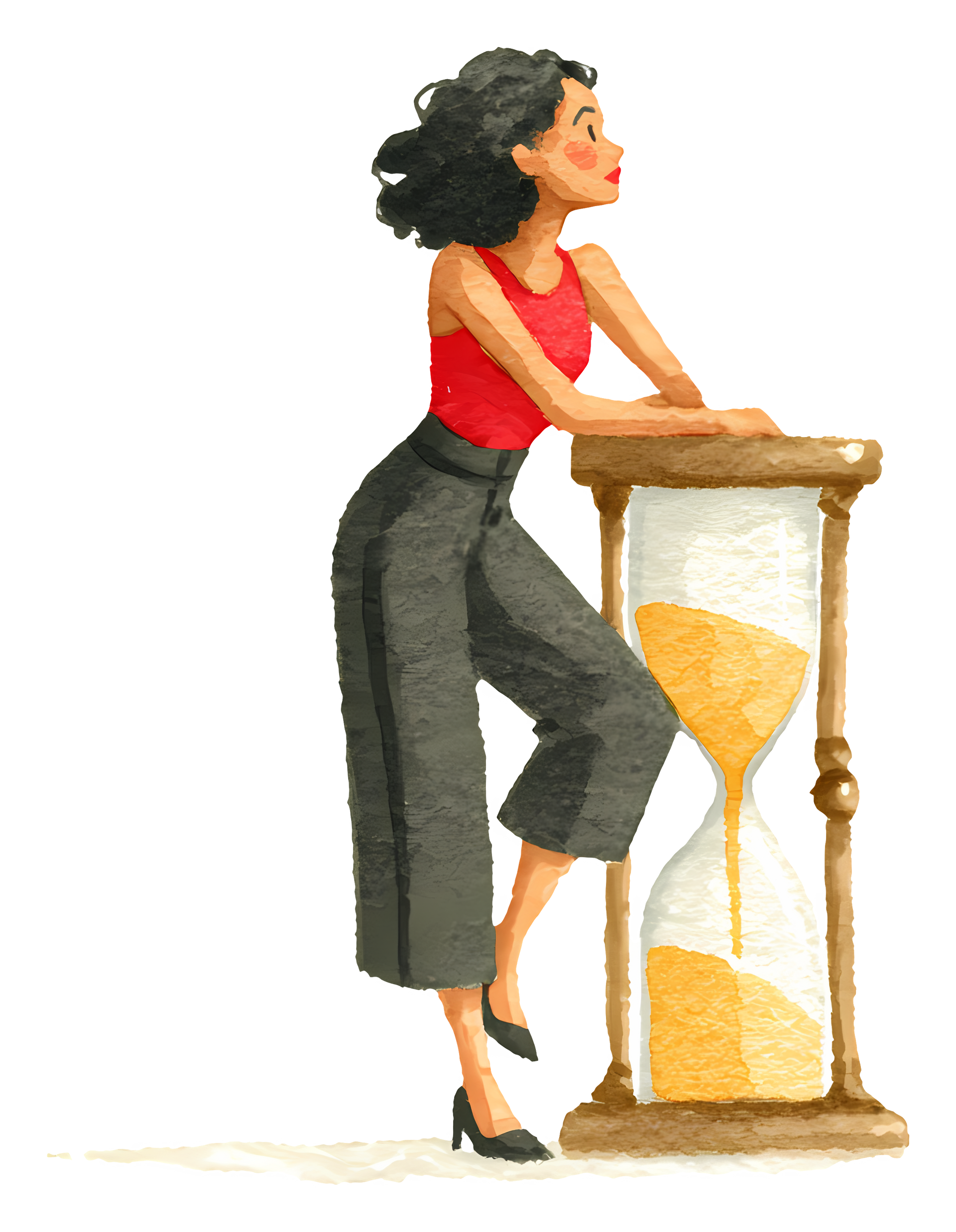
The passing of the surviving spouse is where many estate plans begin to fall apart. Imagine a married couple who owns their home together. When the husband dies, the wife automatically becomes the sole owner of the home because they held title jointly with rights of survivorship. The family may believe they have permanently avoided probate. Years later, however, the wife passes away. Because she now owns the home by herself, someone must determine how that property will pass to the next generation. Unless additional estate planning has been completed, the home may now have to go through probate before it can be transferred to the children or other beneficiaries. This is why joint ownership often avoids only the first probate, not the second. In many situations, it simply postpones probate until the surviving owner dies. Estate planning should never focus only on what happens after the first death. A comprehensive estate plan considers what will happen after both spouses have passed away and whether the family's goals will still be accomplished years into the future.
Estate Planning Requires Looking Beyond the First Death
Most married couples trust one another completely, and that trust is both natural and important. In many cases, each spouse intends for the survivor to make the right decisions for the family. However, estate planning is about more than trust. It is about creating a legal plan that continues to protect your wishes long after one spouse is gone. When the first spouse dies, the surviving spouse often gains complete control over the assets. Depending on the estate plan, the survivor may have the legal authority to change a will, create a new estate plan, change beneficiaries, sell property, make gifts, or leave assets to entirely different individuals. For many families, this flexibility is appropriate. Life changes, and the surviving spouse should have the ability to adapt to changing circumstances. However, flexibility can also produce unintended results that neither spouse anticipated when they originally planned together. A huge example is when the surviving spouse cuts children of the deceased spouse out of the inheritance, when those are not natural children of the surviving spouse.
No one can predict the future. A surviving spouse may remarry years later and want to provide for a new husband or wife. Relationships with children or other family members may change over time. Health problems, dementia, or undue influence from others can affect financial decisions later in life. In blended families, competing interests between children from different marriages can create additional challenges. None of these possibilities mean that spouses should distrust one another. Rather, they illustrate why relying solely on joint ownership is often not enough. Estate planning should prepare for life's uncertainties instead of assuming that every circumstance will remain the same forever.
Trusts Can Protect Your Family's Long-Term Goals
One of the advantages of a carefully drafted trust is that it can provide flexibility while both spouses are alive and create certainty after the first spouse passes away. Depending on the family's goals, certain provisions may become irrevocable upon the death of the first spouse. An irrevocable provision simply means that particular instructions cannot later be changed. For example, a trust may ensure that the surviving spouse continues to use and enjoy the family's assets during his or her lifetime while also protecting the inheritance that the couple intended for their children or grandchildren. In this way, the surviving spouse is cared for, but the first spouse's wishes remain protected. This type of planning is especially important for families with children from prior marriages, significant assets, family businesses, or concerns about preserving wealth across generations. Every family is different, which is why estate planning should be tailored to each client's specific goals rather than relying on a one-size-fits-all solution.
Adding Children as Joint Owners May Create New Problems
Some parents believe they can avoid probate simply by adding an adult child to a deed or financial account. While this approach may avoid probate for that particular asset under certain circumstances, it can also create legal and financial complications that many families never consider.
For example, the child's creditors may be able to reach the jointly owned property. If the child divorces, ownership issues may become more complicated. Adding one child as a joint owner can unintentionally create unequal inheritances or family disputes after the parent's death. In some situations, there may also be tax consequences that should be evaluated before any transfer occurs. For example, unnecessarily increasing property taxes, and taking away the child's ability to pay less capital gains tax when a house's title is transferring during life. Avoiding probate is an important goal, but it should never come at the expense of creating larger problems for the family.
Comprehensive Estate Planning Is About More Than Avoiding Probate
Many people believe estate planning is simply about staying out of probate court. In reality, effective estate planning is about protecting the people you love while making sure your wishes are honored not only after the first death, but after the second and even for future generations. Whether you live in Clearwater, Lakeland, Gainesville, Ocala, Pensacola, Tallahassee, Port St. Lucie, Delray Beach, Fort Myers, Naples, or anywhere else in Florida, your estate plan should be designed to address your family's unique circumstances. For some individuals, joint ownership may be one useful piece of the overall plan. For others, a revocable living trust, Lady Bird Deed, carefully prepared beneficiary designations, or other estate planning tools may provide far greater protection and help avoid probate more effectively. The most successful estate plans do not rely on a single strategy. Instead, they coordinate multiple legal tools to protect assets, minimize future disputes, preserve family relationships, and ensure that property passes according to your wishes.
Work with an Experienced Florida Estate Planning and Probate Attorney
At Tiffany Law, we help individuals and families throughout Florida develop thoughtful estate plans that look beyond the immediate future. Whether you are planning for your spouse, protecting your children, creating a revocable living trust, administering a loved one's estate, or seeking guidance through the Florida probate process, our goal is to help you make informed decisions with confidence.
Joint ownership can be a valuable estate planning tool, but it should never be mistaken for a complete estate plan. A well-designed estate plan considers not only how assets pass after the first death, but how they will ultimately be protected for the people and causes that matter most. By planning today, you can provide your loved ones with clarity, security, and peace of mind for years to come.
This article is intended for informational purposes only and should not be construed as legal advice. Because every family and every estate is different, you should consult with an experienced Florida estate planning attorney regarding your specific circumstances.
Book a Free Consultation with Attorney Tiffany Oliver
Check out more Florida Estate Planning and Probate Articles