Pasco County Probate Attorney | Tiffany Law, PLLC |

Leon County Probate Attorney


Experienced Estate Guidance in Tallahassee and Throughout Leon County


Administering an estate in Leon County requires careful attention to Florida probate law, court procedures, and deadlines. Tiffany Law represents personal representatives, beneficiaries, and families across the region, providing clear and efficient legal guidance during what is often a difficult time.

From routine administrations to contested matters, we help clients move through probate with confidence and direction.


 Schedule a free consultation today to get started 772-444-5062.


Florida Estate Planning Probate Attorney

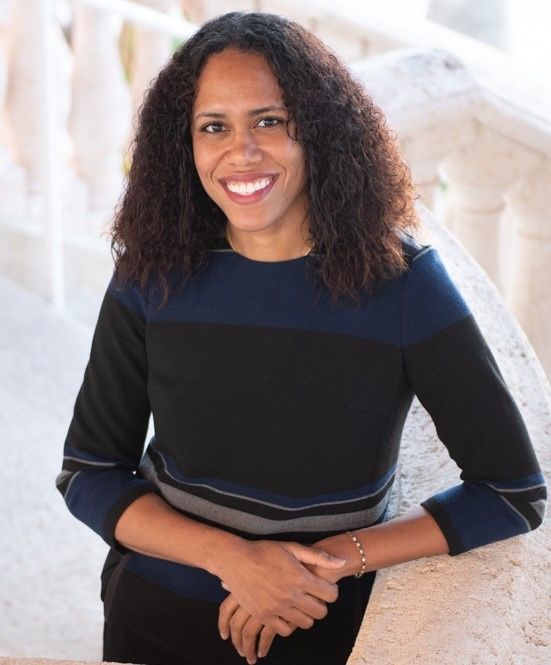
Tiffany Oliver, Esq.

Probate and Estate Services in Leon County

We provide comprehensive probate services tailored to the needs of Leon County clients:

  • Formal Administration
  • Summary Administration
  • Ancillary Probate for non-Florida decedents
  • Probate Litigation and Disputes
  • Will Contests and Undue Influence Claims
  • Trust Administration and Trustee Representation
  • Homestead Determinations and Real Property Issues
  • Creditor Claims and Estate Debt Resolution

Our firm represents clients at every stage, from initial filing through final distribution.


Probate in Leon County, Florida

Probate cases in Leon County are handled through the Second Judicial Circuit Court of Florida, with proceedings primarily conducted in Tallahassee.


As the state capital, Tallahassee presents unique probate considerations. Estates may involve government retirement benefits, university-related employment assets, and a high number of out-of-state heirs tied to Florida State University and Florida A&M University communities. These factors can add layers of complexity to estate administration.


Tiffany Law ensures that all filings, notices, and procedural requirements are handled correctly from the outset.


A Focus on Practical Results

Our approach to probate is straightforward: keep the process moving while protecting our client’s interests. Tiffany Law helps clients:

  • Stay compliant with Leon County court procedures
  • Avoid unnecessary delays or complications
  • Address beneficiary concerns and potential disputes early
  • Navigate complex estate assets with confidence

We also represent out-of-state personal representatives who need local counsel to administer a Florida estate.


Communities We Serve in Leon County


Tiffany Law assists clients throughout Leon County, including:

  • Tallahassee
  • Woodville
  • Miccosukee
  • Bradfordville


Because Leon County is geographically smaller and largely centered around Tallahassee, many probate matters are concentrated in and around the city, with surrounding rural communities also contributing to estate filings.

If you need assistance with probate in Leon County, Tiffany Law is ready to help. We represent clients with estates in Tallahassee and surrounding communities, providing reliable and responsive legal support.


Contact Tiffany Law to discuss your situation and receive clear guidance on the next steps.


We serve other locations such as Brevard County, Broward County, Palm Beach, Charlotte County, Escambia County, Marion County, Pinellas County, Sarasota County, Volusia County, Pasco County Florida


Book Your Free Consultation
Florida Estate Planning Probate Attorney  Tiffany Law, PLLC

Serving Clients Across Florida - In Person & Remotely

Tiffany created a modern, flexible practice to meet people where they are — literally.


Meetings are held remotely by phone or video call, making it easy for clients anywhere in Florida to get the help they need without travel, office visits, or scheduling headaches.


Whether you're in Miami, Tampa, Jacksonville, Orlando, or a small Florida town — she’s just a call or video chat away.


Ready to talk with Tiffany?

Schedule your free 30-minute consultation and get clear, compassionate guidance from an attorney who truly puts your family first.

Informational Videos
By Tiffany Oliver July 31, 2026
When most people hear the phrase "estate planning," they immediately think about what happens after death. They think about wills, trusts, inheritances, and who receives the family home. What many Florida families do not realize is that some of the most important estate planning documents have nothing to do with death at all. In fact, the documents that are often used the most are the ones that protect you while you are still alive. Every year, families throughout Florida find themselves facing a medical crisis involving a parent, spouse, or loved one. Sometimes it is a sudden stroke. Sometimes it is a dementia diagnosis. Sometimes it is a serious accident, cancer diagnosis, or chronic illness that gradually worsens over time. In those moments, family members often discover they do not have the legal authority they thought they had. A spouse may be unable to access certain information. An adult child may be unable to communicate with healthcare providers. A loved one may become incapacitated without leaving clear instructions regarding medical treatment. The result can be confusion, delays, family disagreements, and in some cases, expensive court proceedings. Medical estate planning exists to prevent those problems. The right documents can provide guidance, authority, and peace of mind when families need it most. Many people assume their spouse, child, or closest relative will automatically be able to make decisions if they become incapacitated. Unfortunately, that is not always true. Hospitals, physicians, financial institutions, government agencies, and healthcare providers frequently require legal authority before allowing someone else to act on another person's behalf. Without proper planning, loved ones may find themselves struggling to help during the very time assistance is needed most. Medical estate planning is designed to answer some of life's most difficult questions. Who will make healthcare decisions if you cannot? Who can speak with doctors? Who can access medical information? Who can handle financial matters if you become disabled? Who can apply for benefits that may help pay for long-term care? The answers often depend on whether proper legal documents are in place before a crisis occurs. The Designation of Healthcare Surrogate One of the most important medical estate planning documents in Florida is the Designation of Healthcare Surrogate. This document allows you to appoint a trusted individual to make healthcare decisions on your behalf if you become unable to make those decisions yourself. Think of it as naming your medical decision-maker. This document is also known as a medical power of attorney. Click here to read out financial power of attorney. For many people, that person is a spouse. Others choose an adult child, sibling, trusted friend, or another loved one. The healthcare surrogate's authority generally becomes important when a person is unable to communicate informed healthcare decisions due to illness, injury, cognitive decline, or incapacity. Without this document, healthcare providers may face uncertainty regarding who should make decisions. Without a healthcare surrogate document, family members may disagree, medical providers may require documentation prior to allowing decision-making by someone you trust. In some situations, court involvement may become necessary. A properly executed healthcare surrogate designation can significantly reduce these complications. It provides clear instructions regarding who should be consulted and who should have authority to act when critical medical decisions must be made. Many people carefully choose a primary healthcare surrogate but forget about what happens if that individual is unavailable. Life is unpredictable. A spouse may become ill at the same time. A designated surrogate may be traveling. A family member may simply be unreachable during an emergency. For this reason, Florida healthcare surrogate documents often include successor or alternate surrogates. These backups can step in if the primary surrogate is unable or unwilling to serve. This simple planning step can prevent significant problems during an already stressful situation. **Read our article here on tips on how to choose your healthcare surrogate. The Living Will: Making Your Wishes Known A living will is different from a traditional last will and testament. Despite the similar name, the two documents serve entirely different purposes. A living will addresses end-of-life medical decisions. It allows you to communicate your wishes regarding life-prolonging procedures if you are in certain qualifying medical conditions and are unable to communicate your own decisions. The purpose of a living will is not to decide who inherits your property. Instead, it helps answer difficult medical questions before a crisis occurs. Many families find themselves struggling when they do not know what their loved one would have wanted. Should life-prolonging procedures continue? Would the person want artificial nutrition and hydration under certain circumstances? What if there is little hope of recovery? These are deeply personal decisions. A living will allows you to provide guidance rather than forcing your family to guess . For many families, this document becomes one of the greatest gifts a person can leave behind because it removes uncertainty during emotionally difficult moments. Understanding Do Not Resuscitate Orders in Florida One area that creates considerable confusion involves Do Not Resuscitate Orders, commonly referred to as DNRs. Many people incorrectly believe that a living will and a DNR are the same thing. They are not. A living will expresses treatment preferences under specific circumstances. A Do Not Resuscitate Order is a physician's medical order regarding cardiopulmonary resuscitation. In Florida, a valid Out-of-Hospital Do Not Resuscitate Order must generally be issued by a licensed physician and completed on the state's approved form . Florida's recognized DNR form is commonly associated with its distinctive yellow paper, which helps emergency medical personnel quickly identify the document during an emergency. A licensed attorney in the state of Florida cannot legally draft a Do Not Resuscitate Order for a person . This is extremely important because paramedics and first responders are often required to initiate life-saving measures unless a valid DNR is available. A person cannot simply write "Do Not Resuscitate" on a piece of paper and expect it to be honored. Likewise, a living will does not automatically function as a DNR order. Florida's requirements regarding DNR orders are specific, and families should discuss these decisions with their physician and legal counsel when appropriate. HIPAA Authorizations and Medical Privacy Another critical document is the HIPAA authorization. Federal privacy laws often restrict access to medical information. Without proper authorization, healthcare providers may limit what information can be shared with family members. This frequently surprises adult children caring for aging parents. A son or daughter may be heavily involved in a parent's care but still encounter obstacles when attempting to obtain medical information. A HIPAA authorization can allow designated individuals access to protected health information and facilitate communication with healthcare providers. While it may seem like a simple document, it often becomes invaluable during medical emergencies and ongoing care situations. The Durable Power of Attorney Although many people view powers of attorney as financial documents rather than medical documents, they are among the most important incapacity-planning tools available. A Florida Durable Power of Attorney allows a trusted individual, known as the agent, to act on your behalf regarding financial and legal matters. This authority can become essential when someone experiences dementia, Alzheimer's disease, Parkinson's disease, a disabling injury, or another condition affecting decision-making capacity. Without a power of attorney, loved ones may find themselves unable to assist with routine financial matters. Bills still need to be paid. Insurance claims still need to be submitted. Property may need to be managed. Financial decisions may need to be made. A durable power of attorney often allows these matters to continue without requiring a court-supervised guardianship proceeding. **Read here on whether you actually need a power of attorney document. How a Power of Attorney Can Help With Medicaid Planning One of the most overlooked benefits of a properly drafted durable power of attorney involves Medicaid planning and Medicaid applications. Long-term care costs can be overwhelming. Whether a person resides in a nursing home, requires extensive in-home care, or faces ongoing medical needs, the financial burden can be substantial. Many elderly individuals eventually need assistance applying for Medicaid benefits. A durable power of attorney often allows the designated agent to gather financial information, complete applications, communicate with agencies, submit documentation, and take other actions necessary to pursue benefits. This authority can be critically important when the individual seeking benefits is physically unable to manage the process or lacks capacity to do so. Families in Fort Lauderdale, Hollywood, Pembroke Pines, Coral Springs, Tampa, Riverview, Brandon, and throughout Florida frequently discover that Medicaid applications become significantly more difficult when proper planning documents are missing. Without a valid power of attorney, loved ones may be forced to pursue guardianship simply to obtain authority to assist. How Revocable Trusts Help During Incapacity Many people think of revocable living trusts as probate-avoidance tools. While they can certainly help avoid probate, they also provide powerful incapacity-planning benefits. When a person creates a revocable trust, they often serve as their own trustee during their lifetime. As long as they remain capable, they continue managing trust assets exactly as they always have. The real benefit emerges if incapacity occurs. Rather than requiring court intervention, the successor trustee named in the trust can generally step in and manage trust assets according to the terms of the trust agreement. This transition is often smoother than many people expect. The successor trustee can continue managing investments, handling trust-owned property, paying expenses, and protecting assets for the benefit of the incapacitated individual. For families facing Alzheimer's disease, dementia, strokes, or long-term disability, this can be an enormous advantage. A trust essentially creates a roadmap for managing assets during periods when the creator cannot manage them personally. The Difference Between a Trust and a Power of Attorney People often ask whether they need a trust or a power of attorney. The reality is that many comprehensive estate plans include both. A power of attorney generally allows an agent to act regarding matters outside the trust. A trust allows the successor trustee to manage trust assets. These documents often complement one another. Relying exclusively on one while ignoring the other can create unnecessary gaps in planning. The most effective plans frequently use multiple documents working together to address different aspects of incapacity. What Happens Without These Documents? When proper incapacity-planning documents are missing, families often encounter significant legal obstacles. Banks may refuse access to accounts. Medical providers may restrict information. Government agencies may require proof of authority. Important financial decisions may be delayed. In many cases, family members must seek a guardianship proceeding through the court system. Guardianship can be necessary and appropriate in certain circumstances, but it is generally more expensive, time-consuming, and restrictive than proactive planning. The process often involves attorneys, medical evaluations, court oversight, reporting requirements, and ongoing supervision. Many of these complications can be reduced through proper planning completed before a crisis occurs. Medical Estate Planning Is About More Than Documents At its core, medical estate planning is not simply about signing paperwork. It is about protecting your dignity. It is about maintaining control over your healthcare choices. It is about reducing burdens on your loved ones. It is about ensuring someone you trust can step in when you need help. The right plan can provide clarity when families are overwhelmed, guidance when difficult decisions must be made, and legal authority when immediate action becomes necessary. Whether you live in Tampa, St. Petersburg, Clearwater, Brandon, Wesley Chapel, Riverview, Fort Lauderdale, Pembroke Pines, Hollywood, Plantation, Davie, Coral Springs, Miramar, or elsewhere in Florida, the need for incapacity planning is universal. No one expects to become incapacitated. No one plans for a medical emergency. Yet every day, Florida families find themselves facing circumstances they never anticipated. The Bottom Line Estate planning is not just about what happens after death. Some of the most important planning occurs while you are alive. A healthcare surrogate designation allows someone you trust to make medical decisions when you cannot. A living will communicates your wishes regarding end-of-life care. A HIPAA authorization helps loved ones access critical medical information. A durable power of attorney allows trusted individuals to manage financial and legal matters, including helping apply for Medicaid benefits when long-term care becomes necessary. A revocable living trust can provide continuity in managing assets during periods of incapacity while also helping avoid probate after death. Together, these documents form the foundation of a comprehensive medical estate plan. While no one can predict the future, proper planning can provide peace of mind knowing that if illness, injury, disability, or incapacity occurs, the people you trust will have the legal tools necessary to help protect you, care for you, and carry out your wishes.
By Tiffany Oliver July 30, 2026
Most people believe estate planning is something that only matters after they pass away. They think about writing a Last Will and Testament, deciding who will inherit their property, and ensuring their loved ones are taken care of after their death. While those are certainly important aspects of an estate plan, they are only part of the picture. In reality, one of the greatest benefits of comprehensive estate planning is protecting yourself while you are still alive. Every day, people experience unexpected medical emergencies that leave them unable to make decisions for themselves. A serious car accident, stroke, traumatic brain injury, heart attack, dementia, Alzheimer's disease, or another debilitating illness can happen without warning. When that occurs, who will pay your bills, speak with your doctors or medical decisions if you cannot communicate your wishes? Without the proper legal documents, your loved ones may quickly discover that they have no legal authority to act on your behalf, even if they are your spouse, adult child, or closest family member. Instead of focusing on your recovery, they may be forced into court to seek a guardianship simply to help you. That process can be expensive, stressful, time-consuming, and emotionally exhausting. The good news is that guardianship is often avoidable with proper planning. By creating the right estate planning documents before a crisis occurs, you can choose who will make decisions for you, provide clear instructions regarding your healthcare, and give trusted individuals the legal authority they need to manage your affairs. Proper incapacity planning protects both you and your family while providing peace of mind that your wishes will be respected if the unexpected happens. Typical Estate Planning Is About More Than Just What Happens After You Die One of the biggest misconceptions surrounding estate planning is that it is commonly known to only involves preparing for death. While your Last Will and Testament or Revocable Living Trust determines what happens to your assets after you pass away, neither document is designed to help you if you become incapacitated during your lifetime. Incapacity planning focuses on protecting you while you are alive but unable to make or communicate important decisions. This could happen temporarily after surgery or an accident, or permanently because of a progressive illness such as Alzheimer's disease or dementia. Regardless of your age, no one is immune from the possibility of becoming incapacitated. Many people assume that if something happens to them, their spouse will automatically have access to their bank accounts, be able to sell property, communicate with healthcare providers, or make financial decisions on their behalf. Unfortunately, that assumption is often incorrect. Financial institutions are generally prohibited from allowing someone to access another person's accounts without proper legal authority. Likewise, healthcare providers must follow strict privacy laws and may be unable to discuss medical information or accept instructions from family members unless the proper documents are in place. This is why every adult—not just retirees or wealthy individuals—should have an incapacity plan. Whether you are twenty-five or seventy-five, own a modest home or multiple investment properties, comprehensive estate planning ensures that someone you trust can step in if you cannot act for yourself. A complete Florida estate plan typically includes a Durable Power of Attorney , a Designation of Health Care Surrogate, a Living Will, and, for many families, a Revocable Living Trust. Together, these documents provide a roadmap for managing your financial affairs, healthcare decisions, and personal wishes during periods of incapacity while significantly reducing the likelihood that a guardianship will ever become necessary. Living Will vs. Last Will and Testament: Understanding the Difference Perhaps no estate planning documents are confused more often than the Living Will and the Last Will and Testament. Despite sharing the word "will" in their names, they serve entirely different legal purposes. A Last Will and Testament only becomes effective after your death. It identifies who will receive your property, names the personal representative responsible for administering your estate, and may designate guardians for your minor children. Until you pass away, your Last Will has no legal effect. It does not authorize anyone to make financial decisions, communicate with doctors, or act on your behalf during your lifetime. A Living Will is completely different. Rather than addressing your property or beneficiaries, it focuses solely on your medical treatment if you are unable to communicate your wishes and are suffering from a terminal condition, an end-stage condition, or are in a persistent vegetative state. Your Living Will tells healthcare providers and your loved ones whether you wish to receive certain life-prolonging procedures, artificial nutrition, hydration, or other extraordinary medical interventions under those specific circumstances. A Living Will would make this decision and let the paperwork speak on your behalf so that your chosen surrogate or loved ones do not have to feel like they made the decision to take you off of life-extending machines, even when two licensed physicians say you have no reasonable certainty of medical recovery when you are in either a persistent vegetative state, end of life stage, or have a terminal illness. Without a Living Will, your family may be left making incredibly difficult decisions during an already emotional time. Loved ones often struggle with questions about what you would have wanted, and disagreements can arise among family members who genuinely believe they are acting in your best interests. A Living Will removes much of that uncertainty by allowing you to express your wishes in advance. Although a Living Will is an essential component of a comprehensive estate plan, it does not authorize anyone to make general healthcare decisions for you. That responsibility belongs to another important document known as the Designation of Health Care Surrogate . A Designation of Health Care Surrogate allows you to appoint someone you trust to communicate with your physicians, access your medical records, consent to treatment, select healthcare providers, and make healthcare decisions if you become unable to make those decisions yourself. Your surrogate acts according to your wishes and in your best interests, ensuring that someone you trust—not someone chosen by a court—is making critical medical decisions during a healthcare crisis. Many clients assume that hospitals automatically defer to spouses or adult children. While family members often play an important role, the legal authority to make healthcare decisions is much clearer when a properly executed Designation of Health Care Surrogate is in place. It reduces confusion, avoids unnecessary delays, and provides healthcare providers with confidence that they are communicating with the person you selected. Keep in mind that if you lose capacity and then regain it and are able to communicate with medical staff, your decision always trumps your surrogate's, if you are not in agreement with the medical treatment they recommend. Ideally, your healthcare surrogate is a person who would make decisions for you in the same, if not very similar, way that you would. **Read more on how to choose the best healthcare surrogate for you here. What Happens If You Don't Have the Right Documents? Unfortunately, many families only discover the importance of incapacity planning only after a crisis has already occurred. A loved one suffers a stroke, is diagnosed with advanced dementia, or experiences a traumatic accident, and suddenly important decisions need to be made immediately. Without a Durable Power of Attorney, no one may have authority to manage financial matters. Bank accounts may become inaccessible. Bills continue to arrive, mortgages must still be paid, insurance premiums remain due, and investment decisions cannot simply be ignored. Even a devoted spouse or adult child may find that financial institutions refuse to discuss accounts or allow transactions without proper legal authority. **Read tips on how to choose a power of attorney here and click here to read on if you really need a power of attorney. Without a Designation of Health Care Surrogate, family members may encounter obstacles when attempting to communicate with healthcare providers or make treatment decisions. If disagreements develop among relatives regarding medical care, those conflicts can delay important decisions during a time when every moment matters. At that point, the only remaining solution may be guardianship. Guardianship is a court-supervised legal proceeding in which a judge determines that an individual lacks the capacity to manage some or all aspects of their affairs and appoints another person to act on their behalf. While guardianship serves an important purpose for vulnerable individuals who have no alternative protections in place, it is generally considered a remedy of last resort. The guardianship process involves court filings, medical examinations, hearings, attorney involvement, and ongoing judicial oversight. Once a guardian is appointed, that person typically remains accountable to the court through required reports, financial accountings, and continued supervision. Depending on the circumstances, guardianship can involve substantial legal fees, court costs, and administrative expenses. Perhaps most importantly, guardianship often means that the court—not you—determines who will make decisions about your healthcare, finances, and personal affairs. Although family members frequently serve as guardians, disputes sometimes arise regarding who should be appointed. Those disagreements can further complicate an already stressful situation and create lasting divisions among loved ones. The unfortunate reality is that many guardianship proceedings could have been avoided entirely if proper estate planning documents had been signed before incapacity occurred. How Proper Estate Planning Can Help Avoid Guardianship One of the primary goals of modern estate planning is reducing the likelihood that your loved ones will ever need to pursue guardianship. By executing the proper legal documents while you still have capacity, you maintain control over who will manage your affairs rather than leaving those decisions to the courts. A Durable Power of Attorney allows you to appoint an individual you trust to manage your financial affairs. Depending on the powers granted, your agent may be authorized to pay bills, access financial accounts, manage investments, handle tax matters, communicate with government agencies, oversee insurance issues, and conduct real estate transactions. Because the document is durable, it remains effective even if you later become incapacitated. Likewise, a Designation of Health Care Surrogate ensures that someone you have
By Tiffany Oliver July 28, 2026
When most people think about estate planning, they picture a simple will. While a will is certainly an important legal document, many Florida families are surprised to learn that a will alone does not avoid probate . If your goal is to transfer your home, investment property, or other assets to your loved ones as quickly and efficiently as possible after your death, a properly drafted revocable living trust is often the best solution. At Tiffany Law, PLLC, we regularly help Florida families protect their homes, preserve their wealth, and simplify the transfer of assets for future generations. One of the most common questions we hear is, "What is the fastest way to transfer property after death?" For most homeowners and families, the answer is a properly funded revocable living trust. Understanding What Slows Down Property Transfers When someone dies owning property solely in their own name, that property often must go through probate before it can legally be transferred to beneficiaries. Probate is the court-supervised process of administering an estate, paying creditors, and distributing assets according to a will or Florida law. Depending on the type of property, there are some exceptions. **Read our article here on assets that naturally pass outside of probate . Although probate serves an important purpose, it is not always quick . Even straightforward estates may take several months to complete, while more complicated estates can remain open for a year or longer. During that time, beneficiaries may be unable to sell property, refinance a home, or access certain assets until the court authorizes the transfer. In addition to the time involved, probate often includes court costs, attorney's fees, filing requirements, and public records. Many families prefer to avoid these delays and expenses whenever legally possible. Why Revocable Living Trusts Are Usually the Fastest Solution A revocable living trust allows you to transfer ownership of your property into a trust while you are still alive. You remain in complete control of the assets as the trustee, meaning you can buy, sell, refinance, or change your trust whenever you choose. After your death, however, something important happens. Instead of requiring a probate judge to authorize the transfer of your assets, your successor trustee simply follows the instructions you've already written into the trust . Because the trust—not you individually—owns the property, court involvement is often unnecessary. This means your beneficiaries can frequently receive property much faster than they would through probate. Imagine you own your Florida home in the name of your revocable living trust. Upon your passing, your successor trustee immediately steps into your role. The trustee can continue managing the property, sell it if the trust directs, distribute proceeds to beneficiaries, or transfer ownership to your children according to your wishes. There is no waiting for a probate judge to appoint a personal representative before action can be taken. Instead, the process begins almost immediately, making trusts one of the most efficient estate planning tools available. **Read our article here on how to choose a trustee for your Florida trust. Probate Can Delay Families During Difficult Times The weeks and months following a loved one's passing are emotionally overwhelming. Unfortunately, many families discover they cannot immediately access property or make financial decisions because probate has not yet begun or remains pending. If the estate owns a home that needs repairs, insurance renewals, mortgage payments, or maintenance, delays can become expensive. A trust helps eliminate much of this uncertainty by allowing your chosen trustee to act without waiting for court approval in most situations. **Read here on why probate is delayed. Trusts Provide Privacy One advantage many families overlook is privacy. Probate files generally become public court records. Anyone may be able to view information regarding the estate's assets, beneficiaries, debts, and distributions. A revocable living trust, however, generally remains a private document. Families often appreciate keeping their financial affairs confidential while avoiding unnecessary public scrutiny. Trusts Help Avoid Family Conflict One of the biggest sources of estate disputes is uncertainty. If family members are forced into probate, disagreements sometimes arise over who should serve as personal representative, how property should be managed, or when beneficiaries should receive distributions. A carefully drafted trust clearly identifies your successor trustee, outlines your wishes, and provides detailed instructions for administering your estate. Clear instructions often reduce misunderstandings and minimize the likelihood of costly family disputes. Faster Doesn't Mean Cutting Corners Some people mistakenly believe avoiding probate somehow avoids legal responsibilities. That isn't true. Your trustee still has important fiduciary duties. Debts must still be addressed when appropriate, taxes must still be handled correctly, and the trustee must follow Florida law. The difference is that these responsibilities are typically handled without ongoing court supervision, allowing the process to move much more efficiently. A Trust Can Help If You Become Incapacitated Estate planning is not only about death. A revocable living trust also provides valuable protection during your lifetime. If illness, dementia, Alzheimer's disease, or an unexpected accident leaves you unable to manage your finances, your successor trustee can step in according to the terms you've already established. Without a trust, your loved ones may need to pursue a guardianship proceeding through the court before someone can manage certain assets. Guardianship proceedings are often expensive, time-consuming, and emotionally difficult for families. A trust can often help avoid that situation altogether. Florida Homeowners Benefit Significantly For many Florida residents, their home represents their largest financial asset. When that home is titled in a properly funded trust, your trustee can often continue managing the property immediately after your death. Whether your family decides to keep the home, rent it, or sell it, the process is generally smoother than waiting for probate administration to conclude. This flexibility can be especially valuable if beneficiaries need quick access to funds or wish to avoid maintaining an empty property for an extended period. Funding Your Trust Is Essential Creating a trust is only the first step. Your assets must actually be transferred into the trust for it to work as intended. This process is called "funding" the trust. If someone signs beautiful trust documents but never transfers ownership of their home or financial accounts into the trust, those assets may still require probate. That is why working with an experienced Florida estate planning attorney is so important. Proper funding ensures your trust accomplishes its intended purpose. Common Misconceptions About Trusts Many people assume trusts are only for millionaires. In reality, families with modest estates often benefit significantly from avoiding probate, protecting privacy, and simplifying asset transfers. Others believe trusts are complicated. While drafting a customized trust requires legal experience, managing a properly designed revocable trust during your lifetime is usually quite simple because you remain in full control of your assets. Some also assume trusts eliminate taxes. Although certain advanced trusts can provide tax planning opportunities, the primary purpose of a revocable living trust is efficient asset management, probate avoidance, privacy, and incapacity planning. Is a Trust Right for Everyone? Every family has different goals. If you own real estate, have children, want to avoid probate, value privacy, or wish to make things easier for your loved ones, a trust is often one of the most effective planning tools available. The right estate plan depends on your assets, family dynamics, financial goals, and long-term wishes. Rather than relying on generic online forms, it's important to have documents customized to your unique circumstances and Florida law. The Bottom Line If your goal is transferring property as quickly as possible after death, a properly drafted and properly funded revocable living trust is often the best answer. Instead of requiring your family to wait through probate, your successor trustee can frequently begin carrying out your wishes immediately, helping your loved ones avoid unnecessary delays, reduce costs, maintain privacy, and simplify one of life's most difficult transitions. Estate planning is ultimately about giving your family clarity, protection, and peace of mind when they need it most. At Tiffany Law, PLLC, we help Florida individuals and families create personalized estate plans designed to protect what matters most. Whether you're planning for the future, protecting your home, or seeking to avoid probate, we can help you determine whether a revocable living trust is the right solution for your unique circumstances. While revocable living trusts are often the most effective way to transfer property quickly after death, they are not the only estate planning option. Depending on your goals, family situation, and the types of assets you own, there may be other, more affordable estate planning documents that can accomplish what you need. Documents such as enhanced life estate deeds (Lady Bird Deeds), beneficiary designations, transfer-on-death planning where available, durable powers of attorney, healthcare directives, and carefully drafted wills may all play an important role in a comprehensive estate plan. The key is choosing the right combination of documents—not simply the least expensive option. At Tiffany Law, PLLC, we take the time to understand your objectives and tailor an estate plan specifically designed to protect your loved ones, preserve your assets, and give you confidence that your wishes will be carried out.