Escambia County Probate Attorney   Tiffany Law, PLLC


Escambia County, Florida Probate Attorney


Losing a loved one is difficult enough without having to navigate the legal complexities of probate. In Escambia County, probate is the court process used to administer a person’s estate—ensuring assets are properly transferred, debts are addressed, and beneficiaries receive what they are entitled to under Florida law.


As a solo probate attorney, I work directly with clients to simplify this process. You won’t be passed off to staff or left wondering about the status of your case. Instead, you’ll receive clear guidance, timely communication, and practical solutions tailored to your situation.


 Call today to schedule a free consultation 772-444-5062


Florida Estate Planning Probate Attorney

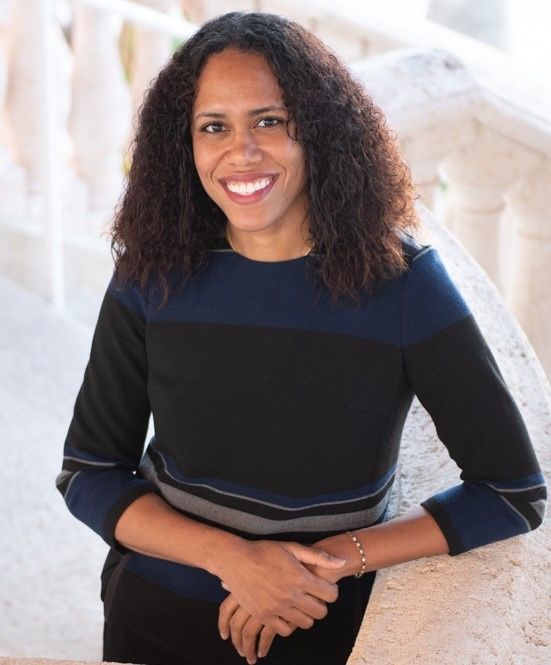
Tiffany Oliver, Esq.

What Kind of Probate Do You Need?

In Escambia County, most probate cases fall into two categories:

Formal Administration and Summary Administration. Choosing the correct type of probate—and completing it properly—can save significant time and expense. Speak with our attorney Tiffany Oliver, Esq. so she can recommend which case is best for you.


Probate Representation You Can Rely On

I assist personal representatives, heirs, and families with every step of the probate process, including but not limited to:


  • Opening the estate and filing required petitions
  • Advising personal representatives on their legal duties
  • Notifying creditors and handling claims
  • Transferring real estate and other assets
  • Resolving disputes between beneficiaries
  • Closing the estate efficiently


Every estate is different. Whether you are dealing with a straightforward administration or a more complicated situation involving multiple heirs or out-of-state assets, having an attorney ensures the process stays on track.


Why Work with a Solo Probate Attorney?

Hiring a solo practitioner offers a different experience than working with a high-volume firm. Clients often choose this approach because they want:

  • Direct access to their attorney
  • Consistent communication
  • Personalized legal strategies
  • Efficient handling of their case

Probate is not just paperwork—it’s a legal process that requires careful attention to deadlines, court requirements, and financial details.


Start the Probate Process with Confidence

If you need to open a probate case in Escambia County or have been named as a personal representative, it’s important to understand your responsibilities from the beginning. Getting the right legal guidance early can make the entire process smoother and more predictable.

I provide straightforward advice and hands-on representation so you can move forward with confidence.


Serving Pensacola and Surrounding Communities


My firm represents clients throughout Escambia County, including but not limited to, the areas where probate matters most commonly arise:

  • Pensacola
  • Ferry Pass
  • Ensley
  • Bellview
  • Warrington
  • West Pensacola
  • Myrtle Grove
  • Cantonment


With a large population of retirees, military families, and long-time residents, probate cases in Escambia County often involve real estate, homestead issues, and blended family dynamics.

Contact Tiffany Law to speak with a Escambia County probate attorney today.


We serve other locations such as Brevard County, Broward County, Miami-Dade, Palm Beach County, Charlotte County, Marion County, Pinellas County, Volusia County, Sarasota County, Pasco County, Leon County Florida


Book Your Free Consultation
Florida Estate Planning Probate Attorney  Tiffany Law, PLLC

Serving Clients Across Florida - In Person & Remotely

Tiffany created a modern, flexible practice to meet people where they are — literally.


Meetings are held remotely by phone or video call, making it easy for clients anywhere in Florida to get the help they need without travel, office visits, or scheduling headaches.


Whether you're in Miami, Tampa, Jacksonville, Orlando, or a small Florida town — she’s just a call or video chat away.


Ready to talk with Tiffany?

Schedule your free 30-minute consultation and get clear, compassionate guidance from an attorney who truly puts your family first.

Informational Videos
By Tiffany Oliver July 20, 2026
One of the most common questions Florida estate planning attorneys hear is whether a person needs a revocable living trust or whether a simple will is enough. The answer is not always straightforward. Many online articles create the impression that trusts are only for wealthy individuals with large estates. Others suggest that everyone should have a trust regardless of their circumstances. The truth usually falls somewhere in the middle. A will and a revocable trust are both powerful estate planning tools, but they accomplish very different goals. Understanding those differences is essential if you want to protect your family, avoid unnecessary complications, and ensure your wishes are carried out after your death. For many Florida families, the question is not whether they need a will or a trust. The question is which tool—or combination of tools—best accomplishes their goals. Before making that decision, it is important to understand how each option works and what happens to your assets after you pass away. What Is a Will? A will is a legal document that directs how assets subject to probate should be distributed after death. A will allows you to name beneficiaries, nominate a personal representative to administer your estate, and designate guardians for minor children. For parents of young children, the ability to nominate a guardian is often one of the most important features of a will. However, a will does not avoid probate. This is one of the biggest misconceptions among Florida residents. Many people believe that having a will allows their family to bypass probate entirely. In reality, a will often serves as the roadmap for the probate process . When a person dies owning assets in their individual name without beneficiary designations or other probate-avoidance planning, those assets generally pass through probate even if a valid will exists. The probate court uses the will to determine who should receive the assets and who should administer the estate. A will provides instructions, but it does not eliminate the court process. What Is a Revocable Living Trust? A revocable living trust is a legal entity created during your lifetime to hold and manage assets. The word "revocable" in the name means this is a document that can be changed as long as the creator of the trust is alive. The word "living" comes from the fact that there are benefits for trust creators when they are alive. Unlike a will, a trust becomes effective while you are alive rather than after death. Most individuals who establish a revocable trust serve as their own trustee and retain complete control over their assets. They can buy, sell, spend, invest, amend the trust, or revoke it entirely. Nothing changes from a practical standpoint in daily life. The major difference occurs after death or incapacity. Assets properly titled in the trust generally avoid probate and can be administered by a successor trustee according to the instructions contained within the trust document. This often allows for a smoother transition of asset management and distribution without requiring court involvement. **Read our article on the differences between an irrevocable trust and a revocable trust here. The Biggest Difference: Probate For most Florida families, probate avoidance is the primary reason they consider a revocable trust. When a person dies with only a will, probate is often required to transfer assets titled solely in the deceased person's name. Probate can involve court filings, legal notices, creditor claim periods, attorney involvement, and administrative procedures that take time to complete. **Read more about the probate court process here. A properly funded revocable trust can often eliminate the need for probate for assets owned by the trust. Instead of asking a judge for authority to administer assets, your chosen successor trustee can generally begin managing trust assets immediately pursuant to your directions in your trust. This distinction is one of the most significant advantages trusts offer over wills. What Does "Funding the Trust" Mean? One of the most misunderstood aspects of trust planning involves funding the trust. Creating a trust alone does not avoid probate. Assets must actually be transferred into the trust. A person may spend thousands of dollars creating a trust and still require probate if they never retitle their assets into the trust's name. For example, if a home remains titled solely in an individual's name rather than in the name of the trust, probate may still be necessary to transfer ownership after death. The trust document is only part of the process. Proper funding is what allows the trust to function as intended. This is why many trust attorneys emphasize that signing the trust is only the beginning. Proper implementation is equally important. Work with a knowledgeable trust attorney today to help you in created and funding your trust today. Which Is Better for Incapacity Planning? Many people focus on what happens after death and overlook the possibility of incapacity. A serious illness, dementia diagnosis, stroke, or accident an create significant challenges long before death occurs. A revocable trust often provides substantial advantages in this area. If the trust creator becomes incapacitated, the successor trustee can typically step in and manage trust assets without the need for court-appointed guardianship proceedings regarding those assets. This is possible if the trust is named owner of a particular financial account or asset. By contrast, relying solely on a will provides no assistance during lifetime incapacity because wills only become effective after death. For families concerned about aging, long-term care issues, or cognitive decline, this feature alone can make trust planning extremely attractive. Aren't Trusts Only for Wealthy People? This is perhaps the biggest myth surrounding revocable trusts. While trusts are frequently used by affluent families, they are not limited to the wealthy. **Click here to read about one of the most beneficial trusts for wealthy, legally married persons. A Florida homeowner may benefit from a trust regardless of whether they consider themselves wealthy. Individuals with minor children, blended families, out-of-state real estate, privacy concerns, or beneficiaries who may need assistance managing money often find trusts valuable. The question is not whether someone is rich enough for a trust. The question is whether the benefits of the trust justify the cost and complexity for that particular family. For some families, a well-drafted will may be entirely appropriate. For others, a trust may provide significant advantages. Do Trusts Protect Assets From Creditors? One of the most common online searches involves asset protection. Many people believe that a revocable trust protects assets from lawsuits, creditors, nursing home costs, or collection efforts. Generally speaking, that is not true. Because the trust creator retains control over the assets and can revoke the trust at any time, assets in a revocable trust are generally treated as the creator's assets during life. A revocable trust is primarily an estate planning tool, not an asset protection tool. While trusts can provide many benefits, creditor protection during the creator's lifetime is generally not one of them. This misconception causes significant confusion among Florida consumers researching trusts online. However, certain irrevocable trusts do provide asset protection, if certain steps are taken . Contact us now so we can help determine which trusts can minimize or eliminate your specific tax exposure . For most Florida residents, a revocable trust does not create immediate income tax savings. The trust creator typically continues reporting income under their own Social Security number during life. Florida also does not impose a state estate tax. That said, trusts can play an important role in sophisticated tax planning for certain families. Depending upon the size and structure of an estate, trust planning may create opportunities to preserve wealth and improve tax efficiency for future generations. For most Florida families, however, probate avoidance and management flexibility are generally more significant benefits than tax savings. What About Minor Children? Parents of young children often have unique estate planning concerns. A will allows parents to nominate guardians who would care for minor children if both parents pass away. This is one reason every parent of minor children should generally have a will, even if they also create a trust. At that point, the will serves to nominate potential guardians of your children, and is a fallback option if you leave any assets outside of your trust and pass away. When you have a trust, the will is typically a pour-over will. Which means, that any asset you have in your name will go into your trust, and be distributed in accordance with the directions in your trust. The will still, however, has to go to probate court to get assets in your name (not in the trust) transferred, and for the guardianship nominations, the will would be presented in family court. A trust can provide additional benefits by controlling how and when inherited assets are distributed. However, without planning, a child's inheritance may require court supervision or become available outright to an eighteen year old at a relatively young age. Many parents prefer to establish age-based distributions or allow a trusted trustee to manage assets for education, health, and support. Trust planning provides significantly greater flexibility in this area. Click here to read on how a trust may benefit your children, if you pass away. What Happens in Blended Families? Blended families create some of the most complex estate planning situations. A person may want to provide for a current spouse while also preserving assets for children from a prior marriage. A simple will may not adequately address these competing interests. Trust planning often allows assets to be managed in a manner that protects both the surviving spouse and intended beneficiaries. This can reduce the risk of disinheritance, family conflict, and unintended consequences after death. For second marriages and blended families, trusts are frequently considered because of the flexibility they provide. Are Trusts Private? Privacy is another major consideration. Probate proceedings are generally matters of public record. This means information regarding assets, beneficiaries, and estate administration become available through court filings, especially after a probate case is closed. Trust administration, by contrast, generally occurs outside the public probate process. While trusts are not completely secret, they are private agreements and often provide significantly greater privacy than probate. For many families, maintaining confidentiality is an important advantage. What Happens If You Have a Trust but Forget a Will? A trust-based estate plan should almost always include a will. This is typically called a pour-over will. The purpose of the pour-over will is to capture assets that were unintentionally left outside the trust and direct them into the trust after death. Without a will, assets accidentally omitted from the trust could create significant complications. In other words, that asset left outside of the trust will be transferred to the persons dictated by Florida's intestate laws. A trust and a will are not competitors. . They just accomplish different tasks. In many comprehensive estate plans, they work together Which Option Is Right for You? The answer depends upon your goals, family structure, assets, and concerns. If your primary objective is creating a straightforward plan that designates beneficiaries, nominates guardians for minor children, and directs the distribution of assets, a properly drafted will may be sufficient. If you are interested in avoiding probate, maintaining privacy, planning for incapacity, simplifying administration for loved ones, or creating more flexible distributions for beneficiaries, a revocable trust may provide significant advantages.For many Florida families, the best estate plan includes both. The Bottom Line on Revocable Trusts and Wills in Florida The debate between a revocable trust and a will is not really about which document is better. It is about which tool(s) best accomplishes your goals. A will is often an essential component of every estate plan. It allows you to name guardians, designate beneficiaries, and provide instructions regarding your estate. However, it generally does not avoid probate. A revocable living trust can help avoid probate, provide greater privacy, simplify administration after death, and offer valuable incapacity planning benefits. However, it requires proper funding and ongoing attention to ensure assets are correctly titled. The most effective estate plans are not built around one-size-fits-all solutions. They are tailored to the needs of the individual family. For Florida residents, the real question is not whether a trust is better than a will. The better question is whether your current estate plan adequately protects your spouse, children, assets, and legacy from the challenges that can arise when life takes an unexpected turn. The answer to that question often determines whether a will alone is enough—or whether a revocable living trust deserves serious consideration.
By Tiffany Oliver July 20, 2026
Many people assume estate planning is something only wealthy families need to worry about. They believe estate planning is primarily about avoiding taxes, protecting large investment accounts, or deciding who receives a vacation home worth millions of dollars. The reality is very different. Some of the most devastating probate disputes in Florida involve ordinary families who never believed they needed an estate plan. They were hardworking parents, homeowners, business owners, grandparents, and caregivers who assumed their loved ones would simply "work things out" after they passed away. Unfortunately, Florida law does not always produce the outcome a family expects. Without proper planning, surviving family members often find themselves navigating probate proceedings , dealing with court oversight, fighting over inheritances, addressing guardianship issues involving minor children, and struggling with unexpected legal and financial consequences during an already difficult time. Estate planning is not really about death. It is about protecting the people you love from unnecessary problems after you are gone. The Costly Reality of Probate One of the most common reasons families engage in estate planning is to avoid probate or minimize the assets that must pass through probate. Probate is the court-supervised process used to administer a deceased person's estate. While probate serves an important purpose, it can also create delays, expenses, paperwork, and stress for surviving family members. Many people are surprised to learn that assets subject to probate are often inaccessible until a personal representative is appointed and the estate administration process moves forward. In some cases, family members need immediate access to funds for housing expenses, funeral costs, utilities, or ongoing living expenses but find themselves unable to access accounts titled solely in the deceased person's name. Probate can also involve attorney's fees, court costs, publication expenses, accounting requirements, and other administrative burdens. Even relatively straightforward estates can take months to complete, while contested matters may continue for years. **Read our detailed article about probate expenses here. Proper estate planning often allows certain assets to pass outside probate through trusts , beneficiary designations, enhanced life estate deeds , jointly owned assets , and other planning tools. While not every estate can avoid probate entirely, thoughtful planning can frequently reduce the burden placed upon surviving loved ones. Probate Is Public Many families do not realize that probate proceedings are generally public record. This means information regarding assets, beneficiaries, creditors, and estate administration may become accessible through court filings. For some families, this is not a concern. For others, privacy is extremely important. A properly structured trust-based estate plan can often provide a greater degree of privacy than a probate proceeding because trust administration generally occurs outside the public court system. Families who value confidentiality frequently discover that estate planning is not merely about transferring assets. It is also about preserving privacy during a difficult and emotional period. Stepchildren May Receive Nothing One of the most common misconceptions in estate planning involves stepchildren. Many loving stepparents assume the children they helped raise will automatically inherit from them. In many cases, they are shocked to learn that Florida law does not necessarily treat stepchildren the same way it treats biological or legally adopted children. If a person dies without proper planning documents, Florida's intestacy laws determine who inherits. Stepchildren generally do not inherit simply because they had a close relationship with the deceased. A stepparent may have spent decades supporting, mentoring, and helping raise a child. However, absent proper planning, that child may receive nothing from the estate, if they did not legally adopt that stepchild. This outcome often surprises families because it conflicts with what everyone believed the deceased intended. Estate planning allows individuals to specifically provide for stepchildren, blended families, grandchildren, and other loved ones who may not otherwise inherit under Florida law. Verbal Promises Usually Mean Nothing Many probate disputes begin with a sentence that sounds familiar. "Mom promised me the house." "Dad always said that account was mine." "Grandma told everyone she wanted me to have her jewelry." While those statements may be true, verbal promises often carry little legal weight after death. Probate courts generally rely upon legally enforceable documents rather than conversations, recollections, and family understandings. A parent may have repeatedly promised a child that a particular asset would eventually belong to them. If the estate planning documents say otherwise—or if no estate planning documents exist at all—the promised inheritance may never materialize. Families are often shocked when years of conversations and assurances fail to override the legal documents controlling the estate. Estate planning ensures that wishes are properly documented rather than left to interpretation after death. **Read our full article on inheriting on verbal promises here Handwritten Notes and Informal Instructions Can Create Problems Some individuals attempt to avoid formal estate planning by writing down instructions on a piece of paper and storing them in a drawer. Unfortunately, informal documents frequently create confusion and litigation rather than clarity. Florida law contains specific requirements governing wills and estate planning documents. Simply writing down intentions is often insufficient. Family members may discover notes, letters, or instructions expressing a deceased person's wishes, only to learn those documents are not legally enforceable. The result can be disappointment, family conflict, and outcomes the deceased never intended. A properly drafted estate plan helps eliminate uncertainty and reduces the likelihood that loved ones will be forced to guess what the deceased wanted. Minor Children Create Unique Estate Planning Challenges Parents of minor children face some of the most important estate planning decisions. Many parents assume that if something happens to them, their children will automatically receive their inheritance and everything will proceed smoothly. Florida law is often more complicated. When a minor child inherits assets, additional legal procedures may become necessary because children generally cannot directly manage inherited property. This often creates court involvement, administrative expenses, and ongoing oversight that many parents never anticipated. Estate planning allows parents to create structures that protect inherited assets while ensuring those assets are managed appropriately for the benefit of the child. Without planning, the court may become heavily involved in decisions affecting the child's inheritance. Florida's $15,000 Rule for Minors One issue that surprises many Florida parents involves inheritances received by minor children. Generally speaking, when a minor child is entitled to receive assets exceeding certain thresholds, court involvement may become necessary before those assets can be managed or distributed. In many situations involving assets worth more than $15,000, a guardianship proceeding may be required to manage property on behalf of the child. Guardianship proceedings involve court supervision, reporting requirements, and additional expenses that many families would prefer to avoid. Parents frequently assume that a trusted relative can simply hold the money until the child becomes an adult. Florida law often requires significantly more oversight than families expect. Proper estate planning can frequently provide alternatives that avoid unnecessary guardianship proceedings and allow inherited assets to be managed in a more efficient manner. Your Child's Other Parent May End Up Controlling the Money One of the most overlooked risks in estate planning involves divorced, separated, or unmarried parents. Many parents spend years building financial security for their children but never consider who may ultimately control those assets if the children inherit while still minors. In many situations, if a child inherits assets and requires a guardian to manage those assets, the surviving parent may become heavily involved in the management of the child's inheritance. This can create concerns when the deceased parent would not have wanted an ex-spouse or former partner exercising significant control over inherited funds. The issue becomes even more concerning when the relationship between the parents was contentious. Without proper planning, assets intended for a child's benefit may effectively come under the influence or management of a former spouse. Trust planning often allows parents to designate trusted individuals to manage inherited assets rather than leaving those decisions entirely to the default legal process. Who Will Raise Your Children If You Are Gone? Perhaps the most important question in any estate plan has nothing to do with money. Who will raise your children if you are no longer able to do so? Many parents spend considerable time discussing inheritance issues while never formally nominating a guardian for their children. If both parents pass away, or if the surviving parent later dies, the court may be required to determine who will assume responsibility for the children. Family members may disagree. Multiple relatives may seek guardianship. Individuals whom the parents never intended to serve in that role may become involved in the process. While courts strive to act in the best interests of children, the outcome may not always reflect what the parents would have chosen. Estate planning allows parents to formally express their wishes regarding guardianship and provide valuable guidance to the court. No parent can guarantee what will happen in every circumstance, but documenting those wishes can be incredibly important. Tax Planning Is Not Just for the Wealthy Many people hear the term "tax planning" and assume it has no relevance to their family. While federal estate taxes affect relatively few estates today, tax considerations still play an important role in estate planning. The manner in which assets are transferred can affect income tax consequences, capital gains considerations, and future financial outcomes for beneficiaries. Poor planning can unintentionally create tax inefficiencies that reduce the value ultimately received by loved ones. Good estate planning seeks to preserve assets and maximize the benefit passed to future generations whenever possible. Even families that are far from estate tax territory often benefit from thoughtful planning regarding the tax implications of inherited assets. Incapacity Planning Is Just as Important as Death Planning Many people focus exclusively on what happens after death and overlook the possibility of incapacity. A serious illness, accident, stroke, or cognitive decline can create significant challenges long before death occurs. Who will manage your finances if you cannot? Who will access your accounts? Who will make medical decisions? Who will communicate with doctors? Without proper planning documents, loved ones may find themselves seeking court intervention simply to help manage everyday affairs. Durable powers of attorney, health care directives, and related planning documents can provide critical protection during periods of incapacity. For many families, incapacity planning proves just as valuable as the planning that occurs after death. Estate Planning Is About Protecting the People You Love The greatest misconception about estate planning is that it exists primarily to distribute property. In reality, estate planning is about protecting families from uncertainty. It helps reduce probate complications. It can minimize court involvement. It allows parents to provide guidance regarding guardianship. It protects minor children. It addresses concerns involving stepchildren and blended families. It can prevent disputes over verbal promises. It creates plans for incapacity. It may reduce unnecessary expenses, delays, and tax consequences. Most importantly, estate planning allows individuals to make decisions for themselves rather than leaving those decisions to Florida's default laws. The people who benefit most from an estate plan are often not the individuals creating it. They are the spouses, children, grandchildren, and loved ones left behind. When families fail to plan, Florida law provides a plan for them. The problem is that the default plan is often very different from what the family would have chosen. That is why estate planning is far more important than most families realize. It is not simply a legal exercise. It is one of the most meaningful ways a person can continue protecting the people they love long after they are gone.
By Tiffany Oliver July 20, 2026
One of the most heartbreaking situations that arises in Florida probate cases occurs when a family member, friend, caregiver, or romantic partner confidently tells the court, "The deceased promised me that property." The promise may have been repeated for years. It may have been made in front of multiple witnesses. It may have been sincere and genuinely intended at the time it was spoken. Unfortunately, when a person dies, probate courts are generally concerned with what can be legally proven, not merely what was verbally promised. Many people are shocked to learn that a deceased person's repeated verbal assurances often carry little to no legal weight in a Florida probate proceeding. A parent may have told one child that a particular home would be theirs someday. A grandparent may have promised a grandchild a bank account. A long-term partner may have been assured that they would receive everything after death. Yet when the probate process begins, those promises frequently collide with a simple reality: Florida law generally requires specific legal formalities to transfer property at death . As a result, many individuals discover that what they believed was an inheritance is not legally enforceable. Florida Probate Is Driven by Documents, Not Conversations When a Florida resident dies, the probate court's primary responsibility is to determine how assets should be distributed under Florida law. If there is a valid will, the court follows the will. If there is no valid will, Florida's intestacy statutes determine who inherits. If assets pass through a trust, beneficiary designation, transfer-on-death designation, or other non-probate mechanism, those documents typically control. **Click here to read our article on how to get assets to transfer to your loved ones via trust, outside of probate** What the probate court does not typically do is redistribute an estate based upon conversations that occurred years earlier. This can be frustrating for family members who genuinely believe they were promised an inheritance. However, Florida law places a premium on certainty. Courts generally prefer written evidence that satisfies statutory requirements over recollections of private conversations that cannot be verified by the deceased. The reason is simple. Once a person dies, they can no longer confirm, deny, clarify, or explain what they meant. Without legal safeguards, probate courts would be flooded with competing claims based solely upon alleged verbal promises. The Problem With Verbal Promises After Death A verbal promise may feel meaningful within a family, but proving it in court is often difficult. Memories fade. Witnesses disagree. Conversations are interpreted differently. A statement that sounded like a promise to one person may have been viewed as a future intention by another. For example, a parent may say, "One day this house will be yours." Was that a legally binding promise? Was it merely a statement of intent? Did the parent later change their mind? Did they subsequently sign a will leaving the property to someone else? These questions become difficult to answer once the speaker is deceased. If Florida courts entertained every verbal promise, then the courts would probably be full of testifying family members and friends, overwhelming an already busy judicial system. As a result, Florida probate courts generally rely upon legally recognized estate planning documents rather than disputed recollections of conversations. Holographic Wills Are Generally Invalid in Florida One of the most common misunderstandings involves handwritten wills. Many people believe that if a loved one writes their wishes on a piece of paper and signs it, the document automatically controls the distribution of their estate. That is not how Florida law works. Florida generally does not recognize holographic wills. A holographic will is a will that is handwritten and signed by the testator, but does not comply with Florida's statutory execution requirements. Even if the deceased clearly wrote, "I leave everything to my daughter," the document will likely be determined as legally ineffective if it was not executed in accordance with Florida law. The result can be devastating for families who discover that a handwritten document expressing the decedent's wishes does not qualify as a valid will. Instead, the estate may pass under a prior valid will or through Florida's intestacy laws. The fact that a handwritten document accurately reflects the deceased person's wishes does not necessarily make it enforceable. Why Proper Estate Planning Matters Stories involving verbal promises and handwritten documents highlight the importance of proper estate planning. A properly executed estate plan creates certainty. It reduces disputes. It minimizes the likelihood that surviving family members will spend months or years fighting over what the deceased allegedly intended. Unfortunately, many probate disputes begin because someone relied on promises rather than legally enforceable documents. A child was told they would receive the family home . A caregiver was promised compensation. A friend was assured they would inherit a vehicle. A romantic partner believed they would be provided for after death. When those promises are not reflected in legally enforceable documents, litigation often follows. Are There Any Exceptions? Although verbal promises usually do not create inheritance rights, there are situations where a person may still have a valid claim against an estate. Importantly, these claims are often not inheritance claims at all. Instead, they would likely be a creditor claim. This distinction matters tremendously. A beneficiary receives assets because the deceased intentionally left property to them through a valid estate planning mechanism. A heir receives assets because the law recognizes them as a family member entitled to receive such assets under Florida policy and legislation. Conversely, a creditor seeks payment because the estate allegedly owes them money or property based upon a legal obligation. These are entirely different legal concepts. In certain circumstances, a person who relied upon a deceased person's promises may have grounds to pursue compensation from the estate even though they are not entitled to inherit as an heir or beneficiary. Unjust Enrichment Claims Against an Estate One potential exception involves unjust enrichment. Unjust enrichment is an equitable legal doctrine that may apply when one party receives a benefit under circumstances that make it unfair to retain that benefit without compensation. Consider a situation where a child spends years caring for an aging parent based upon repeated assurances that they will be compensated from the estate. Or imagine a family member contributes significant funds to improve a property owned by the deceased because they were repeatedly told they would eventually receive the home. In certain circumstances, the person providing the benefit may attempt to assert a claim for unjust enrichment. However, it is critical to understand what such a claim does and does not accomplish. An unjust enrichment claim does not transform someone into an heir. It does not automatically make them a beneficiary. It does not rewrite a will. Instead, the claimant may be asserting that the estate owes them compensation because the estate received and retained a benefit under circumstances that would be inequitable. If successful, the claimant is generally seeking payment as a creditor of the estate, not as an inheriting beneficiary. Typically this creditor receives the value in goods or services they provided the deceased when they were alive. That distinction is often overlooked but can dramatically affect the outcome of a probate proceeding. Testimony is often not enough. People are often surprised to learn that even multiple witnesses may not guarantee success. Several family members may testify that the deceased repeatedly promised someone a home, money, or other property. While testimony may be relevant, courts generally examine the totality of the circumstances. Was there documentary evidence? Were there emails, letters, text messages, or financial records? Did the claimant provide services or contribute money? Did the deceased take actions consistent with the alleged promise? Was there evidence that the deceased changed their intentions? The stronger the evidence, the stronger the claim may become. Nevertheless, testimony regarding verbal promises is often scrutinized carefully because the deceased person is no longer available to provide their version of events. Other Potential Claims That Sometimes Arise Depending on the facts, other legal theories may occasionally appear in probate litigation. Constructive trust claims may be asserted when a party alleges that property is being wrongfully retained under circumstances that justify equitable intervention. Promissory estoppel arguments sometimes arise when a person claims they reasonably relied upon promises to their detriment, although these claims can face significant legal hurdles. Claims based upon services rendered may also arise when a person provided care, labor, management, or other valuable services and contends that compensation is owed. No matter the claim, each claim depends heavily upon the specific facts, available evidence, and applicable Florida law. The existence of a verbal promise alone is rarely enough. Courts typically look for substantial supporting evidence demonstrating why an equitable remedy should be imposed. Probate Deadlines Can Destroy Otherwise Valid Claims One of the most dangerous mistakes in probate is waiting too long. Many people focus exclusively on whether they have a claim and overlook whether they still have time to bring it. Florida probate proceedings contain strict deadlines, especially for creditors. A person who believes they are owed money by an estate may need to file a creditor claim within specific statutory time periods. Missing those deadlines can be fatal to an otherwise legitimate claim. In some cases, individuals spend months gathering evidence and speaking with relatives only to discover that the deadline for asserting their rights has already passed. Probate courts generally take these deadlines seriously. The law favors the efficient administration of estates and the timely resolution of claims. As a result, delay can be extremely costly. The Estate Planning Lesson for Florida Families The biggest lesson is surprisingly simple. If you want someone to receive property after your death, put it in a legally enforceable estate plan. Do not assume your family will honor your wishes. Do not assume a handwritten note will suffice. Do not assume repeated conversations will override Florida probate law. A properly drafted and executed estate plan is far more effective than years of verbal assurances. For those who believe a deceased person promised them property, it is equally important to understand that inheritance rights and creditor rights are not the same thing. While verbal promises often fail to create enforceable inheritance rights, there may be limited circumstances where equitable claims such as unjust enrichment are available. Those claims, however, are generally pursued against the estate as a creditor, not as an heir or beneficiary. Most importantly, time matters. Probate deadlines can arrive quickly, and waiting too long may eliminate rights that otherwise could have been asserted. Whether you are creating an estate plan or evaluating a potential claim against an estate, understanding the difference between promises, legal documents, and probate deadlines can make the difference between protecting your rights and losing them forever.